
Breed selection is the single most powerful joint health decision a dog owner makes, and most people don't think about it until they're already dealing with a limping dog. I've spent considerable time working with owners of high-risk breeds, and the pattern is consistent: the signs were there before purchase, the genetic research was available, and no one explained the implications.
This guide isn't meant to deter you from any breed — it's meant to ensure you go in with eyes open and a plan. Every high-risk breed I'll mention is worth owning. But each requires specific attention to nutrition, screening, and early supplementation to give them the best possible joint health outcomes.
The Highest-Risk Large Breeds
German Shepherd Dog
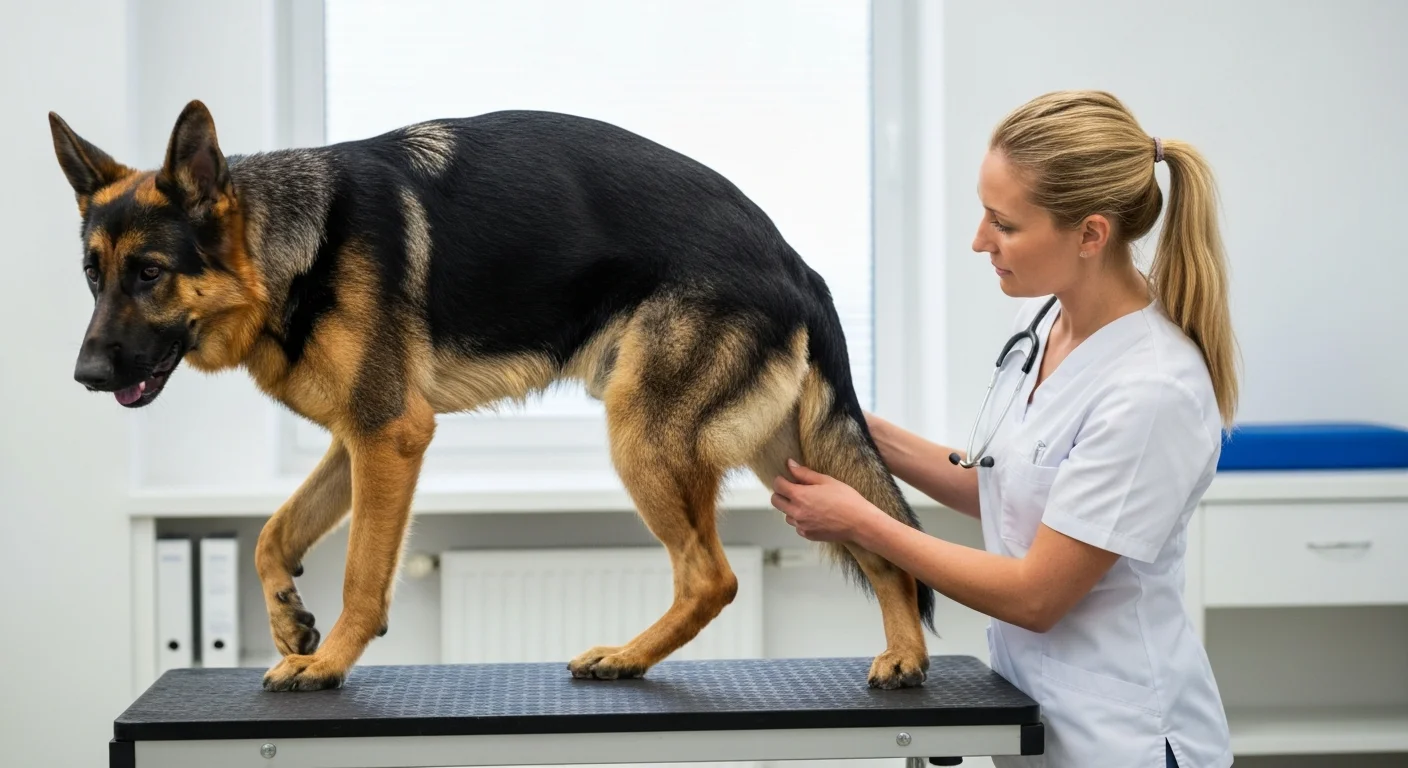
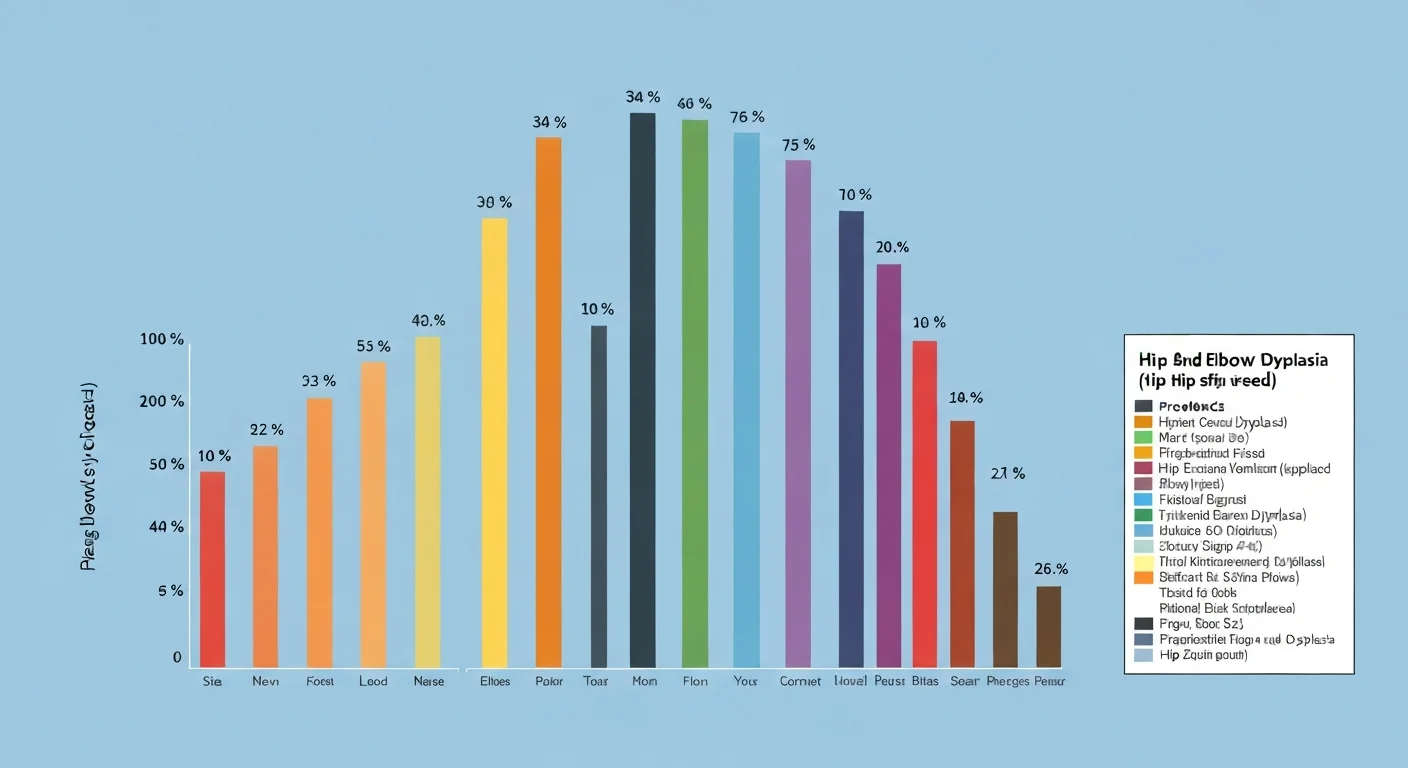
German Shepherds have the most extensively studied joint disease of any breed. Hip dysplasia prevalence in the breed ranges from 19% to over 45% depending on the study population and country of origin. Elbow dysplasia — particularly fragmented medial coronoid process — is also significantly elevated in German Shepherds compared to the general dog population.
The breed's distinctive sloped topline, which has become more extreme in show lines over decades of selective breeding, places atypical mechanical loads on the hip joints. Working line German Shepherds typically show lower dysplasia rates than show lines, partly due to different structural standards and partly due to working dog breeders placing more weight on orthopedic health in selection decisions.
For German Shepherd owners, I recommend PennHIP screening for breeding dogs (not just OFA, which misses moderate dysplasia at a higher rate), omega-3 supplementation starting at 8 to 12 weeks, and glucosamine/chondroitin from 18 months onward.
Labrador Retriever
Labs are the most popular breed in many countries and among the most joint-compromised. OFA data consistently shows hip dysplasia rates around 12 to 14% across the breed, with elbow dysplasia approaching 18 to 20%. The breed also has elevated risk of osteochondrosis dissecans (OCD) — cartilage defects that form during rapid growth — particularly at the shoulder.
The Labrador's characteristic enthusiasm for food creates an additional risk: obesity. The breed carries a higher prevalence of a variant in the POMC gene that reduces satiety signaling, making Labs genetically prone to overeating. Given that excess weight is arguably the single greatest modifiable risk factor for joint disease progression, managing a Lab's weight is essential joint health work. See the weight management guide for breed-appropriate body condition scoring.
Golden Retriever
Golden Retrievers share many of the Labrador's risk factors with comparable hip dysplasia rates and a similar tendency toward weight gain. They additionally show elevated risk for cruciate ligament rupture — the canine equivalent of ACL tears — which creates secondary joint instability and accelerates arthritis. A study from the University of California Davis found that neutered male and female Goldens had significantly higher rates of cruciate ligament tears than intact dogs of the same breed, suggesting hormones play a role in ligament strength.
Rottweiler
Rottweilers are particularly susceptible to osteochondrosis and elbow dysplasia. OFA data shows elbow dysplasia rates exceeding 38% in the breed — among the highest of any breed studied. Rottweilers also show elevated hip dysplasia rates. Their combination of heavy body weight and compact structure creates significant joint loading during growth phases. Controlled growth rate through careful nutrition and avoiding over-supplementation with calcium during puppyhood is especially important for this breed.
Medium to Large Breeds with Elevated Risk
Bernese Mountain Dog
The Bernese Mountain Dog faces a particularly difficult combination: high joint disease rates and a tragically short median lifespan of 6 to 8 years in many studies — often cut short by cancer rather than joint disease. Hip dysplasia rates exceed 20% in most population studies. Given the short lifespan, early joint management is especially important for maximizing quality of life during the years these dogs have.
Border Collie and Australian Shepherd
I work with these breeds personally, so I'll be specific. Both breeds have lower hip dysplasia rates than the giant breeds above, but they're high-demand working dogs that accumulate more joint stress per year than most pets. Hip dysplasia rates around 12% for Border Collies and 18% for Aussies are meaningful when compounded with intense agility, herding, or flyball activity.
For working or sport Border Collies and Aussies, I start omega-3s at 8 weeks and begin a full joint supplement protocol by 12 to 18 months. My age-by-age protocol guide includes specific timing recommendations for sport and working dogs.
Bulldog and French Bulldog
The flat-faced (brachycephalic) breeds deserve mention despite their size. French Bulldogs have exceptionally high elbow dysplasia rates — some studies report over 70% prevalence. Their unique conformation creates abnormal joint geometry throughout. Combined with their tendency toward obesity and their genetic popularity driving irresponsible breeding, French Bulldogs as a population have severe joint health challenges.
Smaller Breeds with Specific Joint Conditions
Dachshund: Intervertebral Disc Disease
Dachshunds suffer primarily from intervertebral disc disease (IVDD) rather than the limb joint issues common in larger breeds. Their disproportionately long spine and chondrodystrophic genetics cause premature calcification of intervertebral discs. While technically a spinal condition, the management principles overlap significantly with joint disease: weight control is critical, ramps replace stairs and jumps, and anti-inflammatory nutrition support is beneficial.
Toy and Miniature Breeds: Patellar Luxation
Patellar luxation — where the kneecap shifts out of its groove — is extremely common in small breeds including Pomeranians, Chihuahuas, Yorkshire Terriers, and Toy Poodles. Grade 1 and 2 cases are often managed conservatively; Grades 3 and 4 typically require surgical correction. Small breed owners should learn to recognize the characteristic "bunny hop" gait that suggests an episodic luxation. The early joint problems guide covers gait abnormalities to watch for by breed size.
Screening Recommendations by Risk Category
| Risk Category | Breeds | Recommended Screening | Start Supplements By |
|---|---|---|---|
| Very High | German Shepherd, Rottweiler, French Bulldog | PennHIP at 16 weeks, OFA at 24 months | 8–12 weeks (omega-3), 12–18 months (full stack) |
| High | Lab, Golden, Bernese Mountain Dog | OFA at 24 months, elbow screening | 12 weeks (omega-3), 18 months (full stack) |
| Moderate | Border Collie, Aussie, Husky | OFA at 24 months for breeding dogs | 18 months (omega-3 + glucosamine) |
| Breed-Specific | Dachshund, Toy breeds | Neurological exam (Dachshund), patella grading | Weight management is priority intervention |
What Breed History Means for Your Supplement Protocol
Knowing your dog's breed should directly influence your supplementation timeline and choices. A healthy 1-year-old German Shepherd with no clinical signs still warrants proactive supplementation because the disease process in dysplastic joints often begins well before symptoms appear.
Mixed breed dogs are not exempt from risk. If your dog carries significant large-breed genetics — which you can verify with commercial DNA testing — apply the appropriate risk category for the dominant breeds present. Studies consistently show mixed breeds have lower average joint disease rates than purebreds of the same size, likely due to reduced concentration of disease alleles, but individual mixed breeds can certainly carry elevated risk.
The dosing guide includes weight-based protocols for each supplement category so you can build a complete program appropriate for your dog's breed and size.