
Omega-3 fatty acids are the most underrated joint supplement. While everyone obsesses over glucosamine, the anti-inflammatory effects of EPA and DHA often produce faster, more noticeable improvements in dogs with arthritis. I've discussed omega-3 protocols extensively with Dr. Patricia Delaney, a board-certified veterinary nutritionist at UC Davis, and the research strongly supports high-dose supplementation.
But not all omega-3 sources are created equal. Let me walk you through what works, what doesn't, and what I actually use for my own working dogs.

Understanding EPA and DHA
Two omega-3 fatty acids matter for joint health: eicosapentaenoic acid (EPA) and docosahexaenoic acid (DHA). Both reduce inflammation, but through different mechanisms.
EPA: The Anti-Inflammatory Powerhouse
EPA competes with arachidonic acid for cyclooxygenase enzymes, reducing production of pro-inflammatory prostaglandins. For joint health, EPA is the star player. A 2010 study in JAVMA showed dogs receiving high-EPA fish oil (2,200mg EPA per day) had significantly improved weight-bearing compared to controls.
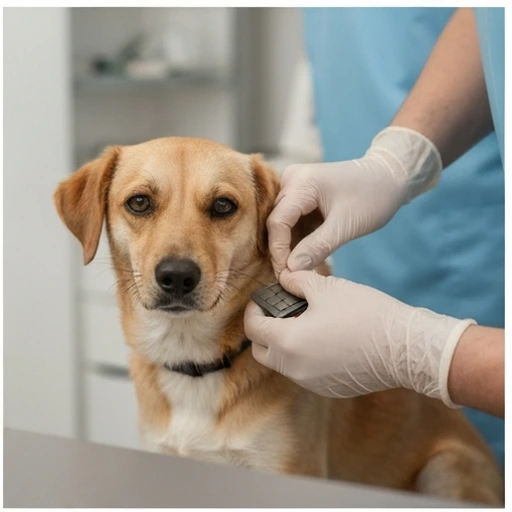
DHA: Brain and Eye Health, Some Joint Benefits
DHA is critical for brain and retinal function but plays a supporting role in joint inflammation. Most fish oils contain more DHA than EPA, which isn't optimal for arthritis support. Look for products with EPA:DHA ratios of at least 1.5:1 or higher.
Fish Oil: Still the Gold Standard
Why Fish Oil Works
Fish oil provides preformed EPA and DHA that dogs can use immediately. Unlike plant-based omega-3s (ALA from flaxseed), dogs don't need to convert anything. Absorption rates for quality fish oil reach 70-80%. When combined with properly dosed glucosamine and chondroitin, omega-3s form a powerful joint support foundation.
Therapeutic Dosing for Joint Health
| Dog Weight | Daily EPA+DHA (mg) | Approximate Fish Oil Volume |
|---|---|---|
| Under 20 lbs | 500-750mg | 1/2 teaspoon quality oil |
| 20-40 lbs | 1,000-1,500mg | 1 teaspoon quality oil |
| 40-60 lbs | 1,500-2,000mg | 1.5 teaspoons quality oil |
| 60-80 lbs | 2,000-2,500mg | 2 teaspoons quality oil |
| Over 80 lbs | 2,500-3,500mg | 2.5-3 teaspoons quality oil |
Quality Markers for Fish Oil
Not all fish oil is safe. Oxidation and contamination are real concerns. Look for:
- IFOS Certification: International Fish Oil Standards testing for purity and potency
- Low peroxide values: Under 5 mEq/kg indicates freshness
- Species disclosure: Anchovy, sardine, and mackerel are lower in contaminants than tuna or salmon
- Triglyceride form: Absorbs better than ethyl ester forms
Fish Oil Alternatives
Algae Oil: Vegan-Friendly Option
Algae oil provides DHA directly (fish get their omega-3s from eating algae). Newer products now include EPA as well. For owners who prefer non-fish sources, algae oil is legitimate.
The catch: algae oil typically costs 2-3 times more than equivalent fish oil. And some dogs find the taste less palatable. I've used Nordic Naturals Algae Omega for clients with fish allergies, and it works well at the same EPA+DHA doses.
Green-Lipped Mussel: Unique Fatty Acid Profile
Perna canaliculus from New Zealand contains EPA and DHA plus a unique omega-3 called eicosatetraenoic acid (ETA). ETA may provide additional anti-inflammatory benefits through a different pathway than EPA.
A 2013 study in BMC Veterinary Research showed GLM powder improved joint function scores in arthritic dogs. The dosing is different from fish oil:
| Dog Weight | Daily GLM Powder | Notes |
|---|---|---|
| Under 25 lbs | 500mg | Can combine with fish oil |
| 25-50 lbs | 750-1,000mg | Look for cold-processed only |
| 50-80 lbs | 1,000-1,500mg | Split dose AM/PM |
| Over 80 lbs | 1,500-2,000mg | May reduce fish oil dose if combining |
I add GLM to my arthritis protocol as a complement to fish oil, not a replacement. The ETA provides something fish oil doesn't.
What Doesn't Work: Flaxseed Oil
Flaxseed oil contains alpha-linolenic acid (ALA), a plant-based omega-3. Dogs can convert ALA to EPA and DHA, but the conversion rate is terrible: roughly 5-10% for EPA, and even less for DHA.
To get 1,000mg of EPA from flaxseed, you'd need to give approximately 15,000mg of ALA. That's an unrealistic amount that would cause digestive upset. For joint health, skip the flaxseed and use fish oil.
Cost-Benefit Analysis
Let's be real about what quality omega-3 supplementation costs for a large dog:
| Source | Monthly Cost (60lb dog) | Effectiveness Rating |
|---|---|---|
| Quality Fish Oil (Nordic Naturals, Grizzly) | $20-30 | Excellent |
| Budget Fish Oil (Kirkland, generic) | $10-15 | Good (check freshness) |
| Algae Oil | $35-50 | Excellent (if EPA included) |
| Green-Lipped Mussel Powder | $20-35 | Good (unique benefits) |
| Flaxseed Oil | $8-12 | Poor (low conversion) |
My recommendation: quality fish oil provides the best value for joint health. Add GLM if budget allows, especially for dogs with active arthritis. For a complete supplement stack at each life stage, refer to the age-by-age protocol guide.
My Personal Protocol
For my working Border Collies and Australian Shepherd, here's the omega-3 component of their joint stack:
- Nordic Naturals Omega-3 Pet: 2,000mg EPA+DHA daily (split AM/PM)
- Blackmores GLM powder: 1,000mg daily (mixed into dinner)
- Whole sardines: 2-3 sardines weekly as a whole food source
I spend about $35-40 per month per dog on omega-3s. That's not cheap, but the anti-inflammatory benefits are real and visible. My 9-year-old Border Collie Finn has noticeably less morning stiffness since I increased his fish oil dose.
Interactions and Cautions
High-dose omega-3s can affect blood clotting. If your dog is on blood thinners or scheduled for surgery, reduce fish oil for 7-10 days beforehand. Always inform your veterinarian about supplement use.
Some dogs get soft stools from high fish oil doses. Start at half the therapeutic dose and increase gradually over 2-3 weeks. If loose stools persist, try a different brand or reduce the dose slightly.